
Outdoor cameras are integral components of modern security systems. They monitor properties, record activities, and provide valuable footage to deter crime and help authorities in investigations. With numerous models available, buyers must sift through various specifications and features to choose the ideal camera. Knowing the basic concepts behind outdoor cameras, their differences from indoor cameras, power solutions, and smart features is crucial. Additionally, understanding the impact of weather conditions on camera durability and functionality ensures buyers select reliable equipment that offers year-round performance. This blog aims to address key questions and provide buyers with essential knowledge to make confident decisions on outdoor camera purchases, ensuring enhanced security and peace of mind for families and properties alike.
Outdoor Camera Basics Every Buyer Should Understand
What Is an Outdoor Security Camera and How It Works?
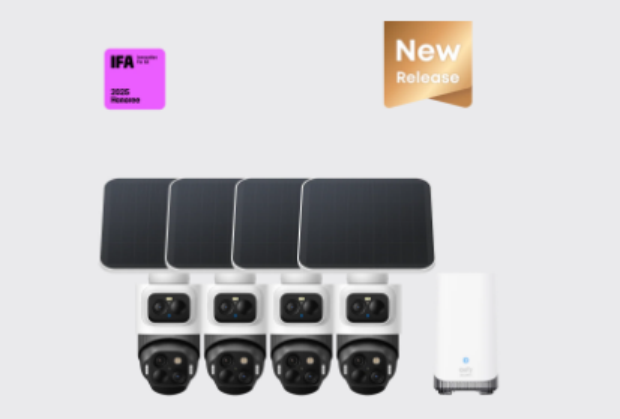
An outdoor security camera is designed to withstand environmental elements while monitoring your property’s exterior. Unlike indoor cameras, outdoor variants have rugged construction and weather resistance. These cameras capture videos or images, often featuring infrared technology for night vision, enabling surveillance during low-light conditions. Most outdoor models come equipped with motion detection, alerting homeowners to suspicious activity. Recorded footage can be stored internally or onto cloud platforms, providing access to video evidence anytime. Installation varies, with wired options connected to a power source and wireless cameras relying on batteries. Connectivity through Wi-Fi or mobile networks enhances remote viewing and management. Understanding these fundamentals ensures that buyers select cameras that effectively safeguard their homes from potential threats.
Outdoor vs. Indoor Cameras: Key Differences That Matter
While both outdoor and indoor cameras aim to enhance security, their construction and functionality differ significantly. Outdoor cameras feature durable, weatherproof designs to withstand rain, snow, and extreme temperatures. They offer higher resolution and night vision for clear monitoring, even in challenging conditions. These cameras are optimized for detecting motion across larger areas. Conversely, indoor cameras prioritize aesthetics and functionality within living spaces. They typically have a smaller footprint with a focus on high-definition recording and two-way audio for interactive monitoring. Indoor models often serve dual purposes, such as nanny cams or monitoring pets’ activities. By understanding these distinctions, homeowners can strategically place cameras to cover all critical areas, ensuring comprehensive protection indoors and outdoors.
Most Asked Outdoor Camera FAQs Before Buying
What Features Should You Look for in an Outdoor Camera?
When selecting an outdoor camera, prioritize essential features tailored to your security needs. High-definition resolution ensures clear, identifiable recordings. Night vision capability is indispensable, providing coverage during dusk, dawn, and darkness. Motion detection is crucial for alerting you to unexpected movements. Consider cameras with wide-angle lenses for extensive area coverage, minimizing blind spots. Weather resistance is vital for longevity, especially in regions with harsh climatic conditions. Evaluate the connectivity options; Wi-Fi-enabled cameras allow remote monitoring and notifications directly to your smartphone. Integrated audio, both one-way and two-way, adds another layer of security, useful for real-time communication with visitors or deterrence. Lastly, assess the storage solutions; a mix of local and cloud options offers redundancy. These features collectively enhance your property’s security perimeter.
Are Outdoor Cameras Weatherproof and Reliable Year-Round?
Most outdoor cameras are designed to be weatherproof, featuring durable housing that resists water, dust, and temperature fluctuations. Look for models with an IP rating, indicating their level of protection against environmental factors. An IP65 or higher is recommended for exposure to rain and dust, ensuring longevity. Reliability hinges on build quality and warranty offerings; opt for brands with a proven track record in outdoor equipment. Cameras featuring durable mounting equipment withstand wind and physical impacts. Advanced models may include temperature control and heaters, useful in extreme cold conditions. Regular maintenance and firmware updates are necessary to keep outdoor cameras functioning optimally over months and years. When purchasing, verify the manufacturer’s specifications for weather resistance and reliability, securing peace of mind through year-round performance.
Installation, Power, and Smart Features Explained
Wired, Battery, or Solar: Which Power Option Is Best?
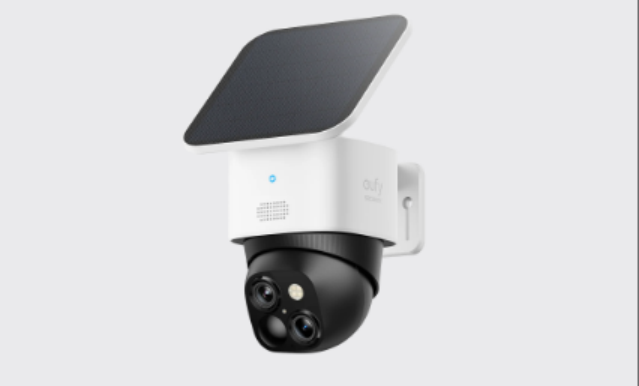
Choosing the correct power source for your outdoor camera system impacts cost, convenience, and reliability. Wired cameras connect directly to a power outlet, providing consistent power, ideal for permanent installations. They often support features like higher resolution and extended recording times. Battery-powered cameras offer flexibility and are easy to install without extensive wiring; however, they require regular charging or battery replacements. Solar-powered cameras represent an eco-friendly choice, harnessing solar panels and batteries to maintain continuous operation without manual intervention. Select this option if environmental sustainability is crucial and your location receives ample sunlight. Balance the advantages and limitations of each power source against your property’s needs and infrastructure to determine the best fit for sustained security coverage.
Smart Detection, Storage, and App Control Options
Modern outdoor cameras incorporate intelligent features that enhance security and user experience. Smart detection technology employs AI to differentiate between humans, animals, and vehicles, reducing false alerts. Storage options vary, with local storage safeguarding footage onsite, while cloud solutions offer remote access and archiving. Evaluate the storage capacity and costs associated with cloud subscriptions for extended footage availability. App control through mobile devices or desktops allows real-time monitoring, playback, and camera adjustments. Ensure the camera integrates seamlessly with your existing smart home ecosystem, providing centralized management. Prioritizing these features optimizes security operations, making surveillance intuitive and responsive to evolving threats or environmental changes.
Conclusion
Selecting the best outdoor security camera necessitates understanding its features, installation, and operational conditions. Evaluate weatherproof capabilities, power solutions, and smart features to ensure durable and intelligent surveillance. This knowledge empowers homeowners to make informed purchases suited to their property’s unique needs. Consider the distinction between outdoor and indoor models to strategically position cameras throughout your home. By aligning your security requirements with the available technology, you enhance safety and deter potential threats effectively. Continue researching, comparing models, and consulting reviews to stay up-to-date with technology changes and enhancements. Armed with this information, your investment in outdoor security cameras becomes an integral part of your comprehensive home protection strategy.